Multifunction Emergency Hand Crank Solar Radio | Outdoor Survival Flashlight Power Bank
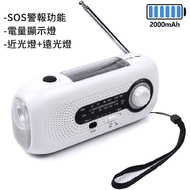
Dimension: 128×60×45mm, palm-sized compact design, lightweight and portable for easy storage. Multiple shell colors available (Red, Yellow, Orange, Green, Blue, Black, Silver). Three frequency versions for USA, Europe and Japan markets.
6 Core Product Advantages
3 Self-Powered Charging Methods, Works Without External Power Source
Built-in rechargeable battery with triple independent power supply solutions for blackouts, natural disasters and off-grid wilderness:
Solar Charging: Integrated solar panel on top absorbs natural sunlight to charge the unit automatically during outdoor camping.
Hand Crank Dynamo: Manually rotate the crank to generate instant power when no light or power supply, essential for earthquakes, typhoons and floods.
Type-C Fast Input: Quickly recharge with universal phone charging cables for daily full power backup.
USB Emergency Output, Keep Your Phone Connected During Crisis
Standard USB output port acts as mini backup power bank to charge cell phones, Bluetooth earbuds and small electronics, maintaining communication access when disasters cut off power grids.
AM/FM/WB 3-Band Radio with 5-Section Telescopic Antenna for Stable Signal
Supports FM, AM and weather WB broadcast bands. Extendable 5-section metal antenna greatly expands signal reception range. Large tuning knob + separate volume knob for easy operation, you can receive weather alerts, disaster updates, news and music anytime. Built-in loud speaker delivers clear audio output for outdoor use.
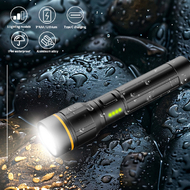
High-Bright LED Emergency Flashlight for Dark Environment Illumination
Front LED lamp assembly provides strong lighting with one simple switch. Ideal for home blackouts, night hiking, wilderness search & rescue, vehicle breakdown maintenance and all dark scenarios.
Loud SOS Distress Siren, Send Rescue Signals When Stranded
Built-in high-decibel SOS alarm function. Activate the loud siren to help rescuers locate your position quickly, greatly improving survival chances in wilderness and disaster zones.
User-Friendly Details for Outdoor Survival Use
Battery indicator lights display remaining power in real time; integrated wrist lanyard to attach on backpacks or belts for easy carry; anti-slip plastic casing for stable grip in wet outdoor conditions; separate independent knobs for tuning and volume adjustment, simple and intuitive operation.
Application Scenarios
Emergency supply for natural disasters (earthquake, typhoon, flood); mountain hiking, camping, wilderness exploration, night trail running; car breakdown roadside emergency; home power outage backup; outdoor field work, construction inspection; disaster storage kits, corporate safety gifts, cross-border e-commerce retail.
Disinfecting your bed is an important step in maintaining a clean and hygienic sleeping environment, and there are several methods and products you can use to achieve this goal. One option is to use alcohol, specifically isopropyl alcohol, to disinfect your bed. In this article, we will explore the use of alcohol for bed disinfection, including the steps you should follow to safely and effectively disinfect your bed using this method.
Introduction
Alcohol is often used as a disinfectant due to its ability to kill germs and bacteria. It works by denaturing the proteins and dissolving the lipid membranes of microorganisms, effectively destroying them. Alcohol can be used to disinfect a wide range of surfaces, including countertops, doorknobs, and other hard, non-porous surfaces. There are different types of alcohol that can be used for disinfection, including ethanol, isopropyl alcohol, and denatured alcohol. Of these, ethanol and isopropyl alcohol are most commonly used, with isopropyl alcohol being the preferred choice due to its greater potency and rapid evaporation. When using alcohol as a disinfectant, it is important to use it correctly. In order to be effective, alcohol must be used at a concentration of at least 60-90% and allowed to sit on the surface for a sufficient amount of time to allow it to kill the germs. Lower concentrations of alcohol may not be as effective, and higher concentrations can be dangerous and flammable.
Supplies Needed
The supplies you will need to disinfect your bed with alcohol include:
Isopropyl alcohol
A soft cloth
Ventilation (such as an open window)
Step by Step Guide
After preparing the matierals you can follow these step to use alcohol to disinfect your bed.
step1
Prepare the Area Before you start disinfecting your bed, make sure the room is well-ventilated. Open a window or turn on a fan to ensure that the fumes from the alcohol do not become concentrated.
step2
Apply Alcohol to Cloth Pour a small amount of isopropyl alcohol onto the soft cloth. You do not need to use a lot of alcohol to effectively disinfect your bed, so be careful not to soak the cloth.
step3
Wipe Down the Bed Starting with the mattress, use the cloth to wipe down the surfaces of your bed. Make sure to get into all the crevices and seams of the mattress, as well as the sides, top, and bottom. Repeat this process for the pillows and sheets.
step 4
Allow the Alcohol to Dry After the bed has dried, continue to ventilate the room for a few minutes to ensure that any remaining fumes have dissipated.
step 5
Ventilate the Room Before you start disinfecting your bed, make sure the room is well-ventilated. Open a window or turn on a fan to ensure that the fumes from the alcohol do not become concentrated.
Limitations
It is important to note that while using alcohol to disinfect your bed is an effective method, there are some limitations and downsides to consider. One of the main limitations of alcohol as a disinfectant is that it is not a long-lasting solution. Alcohol evaporates quickly, which means that it does not provide a long-term barrier against microbes. Additionally, alcohol is not effective against all types of bacteria, viruses, and fungi, so it may not be the best option for disinfecting your bed if you are concerned about specific pathogens. Another factor to consider is the safety of using alcohol on your bed. Alcohol is flammable and can be dangerous if there is an open flame in the area. Additionally, the fumes from alcohol can be toxic if inhaled, so it is important to make sure the area is well-ventilated. If you have sensitive skin or are concerned about skin irritation, you may want to avoid using alcohol on your bed, as it can be drying and may cause skin irritation.
Alternatives to Alcohol
In addition to using alcohol, there are other methods and products you can use to disinfect your bed. One option is to use a disinfectant spray specifically designed for use on fabrics and upholstery. These sprays typically contain a combination of antimicrobial agents and solvents that are safe for use on fabric and upholstery. Another option is to wash your bedding in hot water, as heat is an effective way to kill bacteria and other pathogens. Additionally, you can use a mattress protector or encasement to provide a barrier against bacteria, viruses, and dust mites.
Summary
In conclusion, you can spray alcohol on your bed to disinfect, but it is important to follow the steps outlined in this article to ensure safety and effectiveness. While alcohol is a quick and effective solution for bed disinfection, it is not a long-lasting solution and may not be effective against all types of bacteria, viruses, and fungi. Additionally, alcohol is flammable and can be dangerous if there is an open flame in the area. If you are concerned about bed bugs or other pests, it is best to consult with a professional pest control specialist.
FAQ
Alcohol emits toxic fumes if inhaled, it's best advised to have ventilation in the room to use alcohol safely.
Alcohol is flammable and can be dangerous if there is an open flame nearby.
In addition to using alcohol, you can use a disinfectant spray that is specifically designed for use on fabrics and upholstery. Washing bedding in hot water is also an effective way to kill microbes as some microbes are not heat resistant.
Alcohol is not a long last solution as it evaporates quickly and alcohol is not effective against all types of bacteria, viruses, and fungi.
Yes, alcohol can be used as a disinfectant, however you need the correct concentration of it. Lower concentrations of alcohol may be too weak while higher concentrations can be dangerous and flammable.